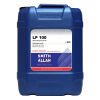
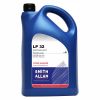
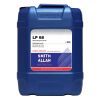
What Are Bearing & Circulating Oils Used For?
Bearing oils provide a lubricating film between moving surfaces, helping to minimise direct metal-to-metal contact and reduce wear. Circulating oils perform a similar role within systems where lubricant is continuously supplied to components before being collected, cooled or filtered and returned for reuse.
Choosing the Correct Bearing or Circulating Oil
The correct lubricant depends on factors such as bearing type, operating speed, load, temperature and the design of the lubrication system. The manufacturer's recommended viscosity grade and performance specification should always be checked, as an oil that is too thick or too thin can affect lubrication and system operation.
Suitable for Different Industrial Applications
Bearing and circulating oils can be used across manufacturing equipment, machine tools, pumps and other industrial machinery with suitable lubrication systems. The precise requirements can vary considerably between applications, so the lubricant should be matched to both the component and its operating conditions.
Circulating Oil Systems and Continuous Lubrication
Circulating systems are designed to deliver a controlled supply of oil to components during operation. As well as providing lubrication, the circulating oil can help remove heat and carry contaminants away from critical surfaces for filtration. Maintaining the correct oil condition and level is important for keeping these systems operating effectively.
Related Oils and Lubricants
Industrial machinery can contain several systems with different lubrication requirements. Industrial Gear Oils are designed for suitable enclosed gear systems, while Hydraulic Oils are used to transmit power within hydraulic equipment. Spindle Oils and Slideway Oils cover specific machine tool applications, while Greases may be required for bearings and other components where an oil-based lubrication system isn't suitable.
Finding the Right Bearing & Circulating Oil
Before selecting a bearing or circulating oil, check the equipment manufacturer's recommendations for viscosity, performance specification and lubricant type. Operating speed, temperature and load should also be considered. If you are unsure which product is suitable, you can contact our team with details of your machinery and its lubrication requirements.