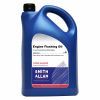
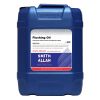
What Are Flushing Oils Used For?
Over time, lubrication systems can accumulate old oil, sludge, deposits and other contaminants. Flushing oil is circulated through suitable equipment to help loosen and carry away these materials before being drained, leaving the system better prepared for its new operating lubricant.
When Might a Lubrication System Need Flushing?
Flushing may be recommended following contamination, maintenance work or certain lubricant changes. It can also form part of planned maintenance for some industrial systems. Not every oil change requires flushing, so the equipment and lubricant manufacturer's guidance should be checked before carrying out the process.
Changing Between Different Lubricants
Extra care may be required when changing lubricant type or formulation. Some lubricants may not be fully compatible with one another, and residual oil can affect the performance of the replacement product. Where recommended, flushing can help reduce the amount of previous lubricant remaining within the system before the new oil is added.
Using Flushing Oil Correctly
The flushing method will depend on the machinery and lubrication system. Factors such as circulation time, operating temperature and whether filters need to be changed should be considered. Flushing oil is generally intended as part of the cleaning process rather than as the equipment's normal operating lubricant, so product and equipment instructions should always be followed.
Related Oils and Lubricants
Flushing oils can be relevant when servicing a range of industrial lubrication systems. After flushing, equipment may require fresh Hydraulic Oils, Industrial Gear Oils, Bearing & Circulating Oils, or Compressor Oils depending on the machinery. The replacement lubricant should always meet the specification required for the individual system rather than being selected based on the flushing oil used.
Choosing the Right Flushing Oil
Before using a flushing oil, check the equipment manufacturer's maintenance guidance and the requirements of both the existing and replacement lubricants. Compatibility, system design and the reason for flushing should all be considered. If you are unsure which product or procedure is suitable, you can contact our team with details of your equipment and lubrication system.